
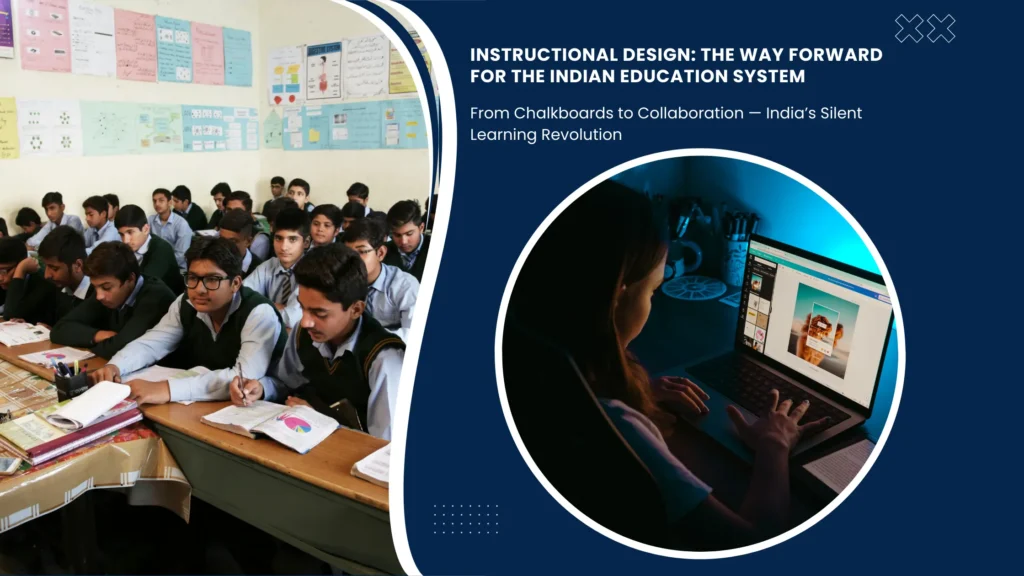
The education revolution in India began quietly. With the arrival of the internet and social media nearly two decades ago, the way knowledge was shared and consumed started shifting. Over time, India’s educational framework evolved from a rigid, exam-focused model to one that embraced dynamic, learner-centered methods.
As a student of the 1990s, I lived through the chalk-and-blackboard era of education. Teaching was mostly one-way, and innovation was scarce. Bookworms consistently topped the academic race, while sporty students thrived through extracurricular achievements.
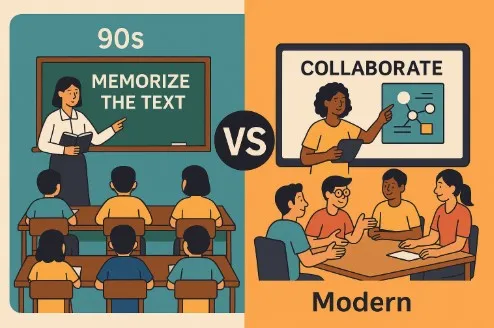
The rest of us—neither excellent nor poor—were left stuck in between. Our futures depended almost entirely on exam scores, and the system felt harsh and condescending.
Mental health was rarely discussed, and balancing pressure with learning was a lonely challenge. To protect my well-being, I eventually pursued music in London. Sadly, many students in India did not have such opportunities.
India’s educational transformation didn’t happen overnight. It took reforms, sacrifices, and years of effort to bring the system in line with international standards. Today, in 2025, schools and colleges across India are far more equipped and forward-looking.
Instructional Design (ID) has emerged as a key driver of this revolution. By combining structured instruction with facilitation and personalized support, ID adapts learning to meet the needs of diverse students.
Today’s classrooms are more interactive, imaginative, and student-driven. Assessments are less intimidating and focus more on understanding than memorization.
This shift has boosted India’s presence on the global education map. For the first time in years, foreign students are showing greater interest in pursuing higher education in Indian institutions.
Despite progress, certain challenges remain. Gender and class-based inequalities in literacy are still widespread. In many rural areas, girls are expected to manage household duties while boys are encouraged to study and pursue careers.
The mindset is changing, but slowly. Grassroots initiatives promoting girl-child education are gradually addressing these disparities. Still, for many underprivileged students, instructional design remains a distant dream.
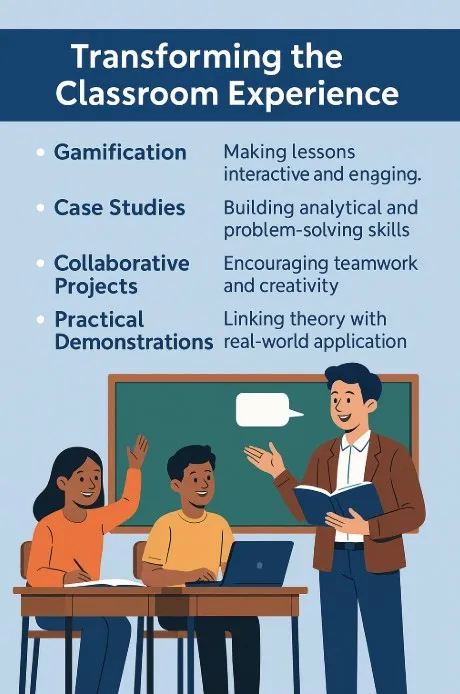
The classroom environment today has undergone a dramatic shift. Education is now a two-way process, where students are encouraged to ask questions, share doubts, and participate actively. Teachers act more as guides than authority figures, creating a supportive learning culture.
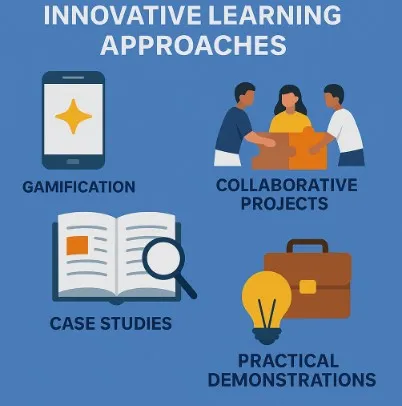
Making lessons interactive and engaging.
Building analytical and problem-solving skills.
Encouraging teamwork and creativity.
Linking theory with real-world application.
One of the biggest lessons of modern education is the importance of emotional intelligence (EQ) over IQ. With increasing digital exposure, children’s cognitive development is advancing, but emotional maturity often lags.
Instructional design helps bridge this gap. By balancing knowledge with empathy and creativity, it nurtures curiosity while protecting the innocence of young minds. EQ ensures that students grow into not just knowledgeable, but emotionally resilient individuals.
Instructional design is making education more meaningful, enjoyable, and collaborative. It fosters critical thinking, teamwork, and creativity, ensuring that students remain motivated while preparing for future challenges.
India’s classrooms are no longer about rote learning and forced memorization. Instead, they are becoming vibrant ecosystems where learning is tailored, interactive, and deeply engaging.
Instructional design is not just a teaching method—it is a guiding philosophy shaping the next generation of Indian learners. With the right approach, it will continue to strengthen India’s education system and make it globally competitive.
Instructional Design is here to stay. We are lucky to be in a generation where developments like this are happening and our children and our children’s children get to witness and be nurtured and nourished by this incredible phenomenon.